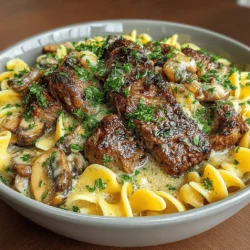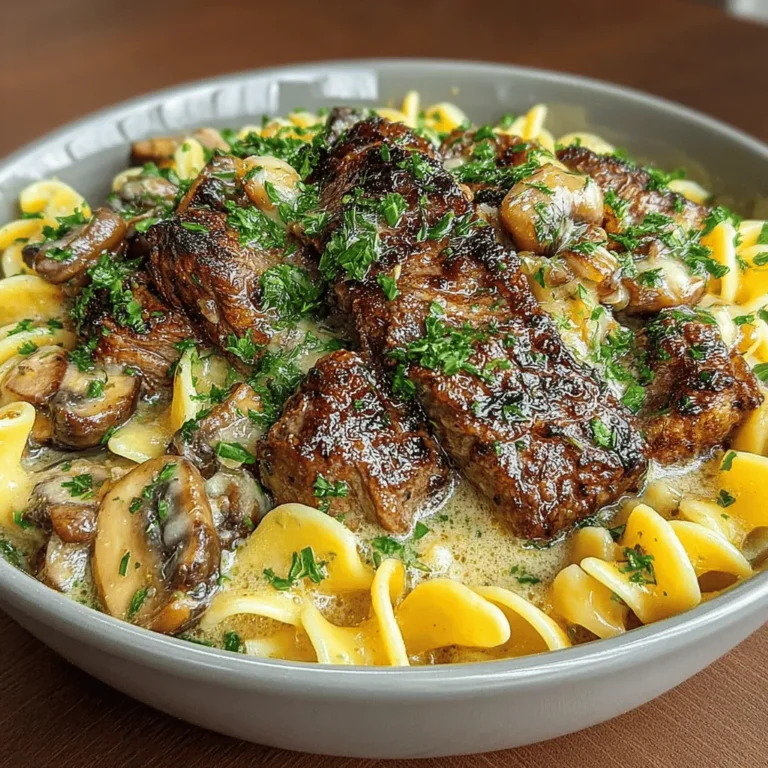
Introduction to Hearty Homestyle Beef Stroganoff
In the world of comfort food, few dishes can rival the rich, savory delight of Beef Stroganoff. This classic recipe, originating from Russia, has evolved into a beloved favorite across many cultures. Our Hearty Homestyle Beef Stroganoff is not only easy to prepare but also offers a warming experience that’s perfect for family gatherings or cozy weeknight dinners. With tender strips of beef, sautéed mushrooms, and a creamy sauce served over egg noodles, this dish is sure to become a staple in your culinary repertoire. In this article, we’ll explore the ingredients, step-by-step instructions, and the history behind this comfort food classic.
Ingredients
– 1 pound beef sirloin, thinly sliced
– 2 tablespoons olive oil
– 1 medium onion, finely chopped
– 2 cloves garlic, minced
– 8 ounces mushrooms, sliced
– 1 teaspoon paprika
– 1 tablespoon Worcestershire sauce
– 1 teaspoon Dijon mustard
– 1 cup beef broth
– 1 cup sour cream
– Salt and pepper to taste
– 12 ounces egg noodles
– Fresh parsley, chopped (for garnish)
Instructions
1. Begin by cooking the egg noodles according to package instructions until al dente. Drain and set aside.
2. In a large skillet, heat the olive oil over medium-high heat. Add the beef slices and sear them until browned, approximately 3-5 minutes. Remove the beef from the skillet and set aside.
3. In the same skillet, add the chopped onion and sauté until translucent, about 3 minutes.
4. Stir in the minced garlic and sliced mushrooms, cooking until the mushrooms are tender and have released their moisture, about 5 minutes.
5. Sprinkle in the paprika, and stir well to combine with the vegetables.
6. Return the beef to the skillet, adding Worcestershire sauce, Dijon mustard, and beef broth. Stir to fully incorporate all ingredients.
7. Bring the mixture to a gentle simmer and cook for about 5 minutes to allow the flavors to meld.
8. Reduce the heat to low and stir in the sour cream, mixing until creamy and heated through. Season with salt and pepper to taste.
9. Serve the stroganoff over the cooked egg noodles, garnished with chopped fresh parsley.
Understanding the Ingredients
Exploring the Core Components of Beef Stroganoff
– Beef Sirloin: The Choice Cut for Tenderness
The choice of meat is crucial in this dish, and beef sirloin is often preferred for its tenderness and flavor. Thinly slicing the beef against the grain ensures that each bite is melt-in-your-mouth delicious.
– Olive Oil: A Healthy Fat for Cooking
Using olive oil not only adds a subtle flavor but also provides a healthier fat option compared to butter. It helps to achieve a good sear on the beef while cooking.
– Fresh Vegetables: The Role of Onions, Garlic, and Mushrooms
The combination of onions, garlic, and mushrooms creates a flavorful base for the sauce. Each ingredient contributes its unique taste, enhancing the overall profile of the dish.
– Flavor Enhancers: Paprika, Worcestershire Sauce, and Dijon Mustard
These ingredients are essential for adding depth to the dish. Paprika brings warmth, Worcestershire sauce adds a savory umami flavor, and Dijon mustard provides a tangy kick.
– The Creamy Finish: Sour Cream as a Key Ingredient
Sour cream is a signature component of Beef Stroganoff, giving the sauce its creamy texture and rich taste, balancing the flavors beautifully.
– Egg Noodles: The Perfect Base for Stroganoff
Egg noodles are traditionally used in this recipe due to their ability to hold the sauce well. Their chewy texture complements the richness of the stroganoff.
Step-by-Step Preparation
A Comprehensive Guide to Making Hearty Homestyle Beef Stroganoff
– Preparing the Egg Noodles: Achieving the Perfect Al Dente
It’s important to cook the egg noodles just right—al dente—to ensure they maintain their structure when mixed with the sauce.
– Searing the Beef: Techniques for Flavor and Texture
Properly searing the beef is essential for developing a rich flavor. Make sure the skillet is hot enough to achieve a good browning.
– Sautéing the Vegetables: Building Layers of Flavor
Each vegetable should be sautéed just long enough to enhance its natural sweetness without overcooking, maintaining their texture.
– Combining Ingredients: Creating a Harmonious Dish
When adding the beef back into the skillet, ensure that all ingredients are well combined for a cohesive flavor in every bite.
– Making the Sauce: The Art of Balancing Flavors
Adjust the seasoning and consistency of the sauce to your liking, ensuring a perfect balance of creaminess and flavor.
– Adding Sour Cream: Achieving Creaminess Without Compromise
Incorporate sour cream gently at low heat to prevent curdling, ensuring a smooth and luscious sauce.
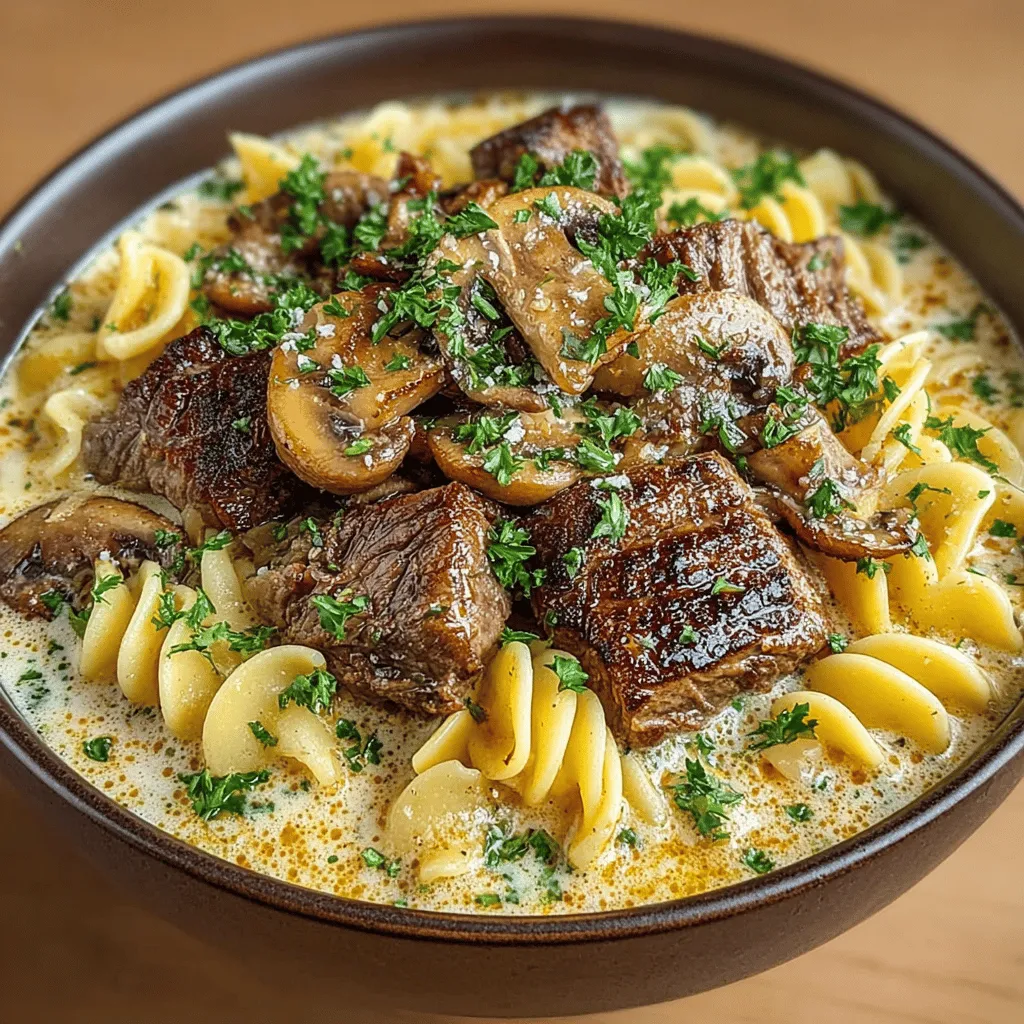
Serving Suggestions: Plating for Presentation
To elevate your Hearty Homestyle Beef Stroganoff, consider how you plate the dish. Use a wide, shallow bowl to showcase the creamy sauce and tender beef. Start by placing a generous serving of egg noodles or rice at the bottom, then ladle the beef stroganoff over it. Finish with a sprinkle of fresh parsley or chives for a pop of color. For added elegance, you can serve the dish with a side of steamed green beans or roasted asparagus, which adds a vibrant contrast and enhances the meal’s visual appeal.
Cooking Tips for Success
Insights and Techniques to Elevate Your Beef Stroganoff
Choosing the Right Cut of Beef: Alternatives and Recommendations
For a tender and flavorful beef stroganoff, it’s essential to select the right cut of meat. While sirloin or tenderloin are popular choices, consider alternatives such as flank steak or chuck roast for a more budget-friendly option. Flank steak, when sliced against the grain, can provide excellent tenderness, while chuck roast will become incredibly tender after slow cooking.
Tips for Sautéing: When to Add Ingredients for Optimal Flavor
When preparing your beef stroganoff, timing is crucial. Start by browning the beef in batches to avoid overcrowding the pan, which can lead to steaming rather than searing. Once the beef is browned, remove it from the pan and sauté onions and mushrooms in the same drippings. This step allows the vegetables to absorb the rich flavors left behind, enhancing the overall taste of the dish.
Adjusting the Sauce: Thickness and Flavor Modifications
To achieve the perfect sauce consistency, consider using a mix of sour cream and flour. If the sauce is too thin, simmer it longer to reduce and thicken. For a richer flavor, add a splash of Worcestershire sauce or Dijon mustard. Adjust the seasoning with salt and pepper to taste, ensuring the sauce complements the beef perfectly.
Enhancements for a Personal Touch: Optional Ingredients and Variations
Feel free to experiment with your stroganoff by adding ingredients like garlic, bell peppers, or even a splash of red wine for depth. For a creamier texture, consider incorporating cream cheese or substituting Greek yogurt for sour cream. These variations allow you to customize your dish according to personal preferences or dietary restrictions, making it a versatile option for any table.
Nutritional Information and Benefits
Analyzing the Nutritional Value of Hearty Homestyle Beef Stroganoff
Breakdown of Ingredients: Calories, Protein, and Nutritional Benefits
A typical serving of beef stroganoff provides a balanced mix of macronutrients. With approximately 400-500 calories per serving, it offers a satisfying amount of protein, typically ranging from 25-30 grams, depending on the cut of beef used. The dish also includes beneficial nutrients from mushrooms and onions, which contribute vitamins and minerals.
Healthier Substitutes: Making a Lighter Version of Stroganoff
To create a lighter version of this classic dish, consider using leaner cuts of beef, such as sirloin or even turkey. Substitute regular sour cream with low-fat or Greek yogurt, and replace traditional egg noodles with whole grain or zucchini noodles. These adjustments can help reduce calories while maintaining flavor and satisfaction.
Balancing Your Meal: Pairing with Sides for Nutritional Completeness
For a well-rounded meal, pair your beef stroganoff with a side salad loaded with fresh vegetables. This not only adds vitamins and minerals but also provides extra fiber. Whole grains, such as brown rice or quinoa, can serve as a nutritious base instead of traditional egg noodles, further enhancing the dish’s health benefits.
The Cultural Significance of Beef Stroganoff
Tracing the Origins and Evolution of a Beloved Dish
The Historical Roots of Beef Stroganoff
Beef stroganoff is believed to have originated in 19th-century Russia, named after the Stroganov family, who were influential merchants. The dish has evolved over the years, with variations appearing in different cultures, reflecting local ingredients and culinary practices.
Variations Across Cultures: How Different Regions Interpret Stroganoff
Throughout the years, many cultures have put their unique spin on beef stroganoff. For example, in Brazil, it’s common to serve stroganoff with rice and potato sticks, while in Hungary, paprika is often added for a distinct flavor. These adaptations showcase the dish’s versatility and the way food can transcend borders.
Modern Adaptations: Creative Twists on the Classic Recipe
Today, chefs and home cooks alike experiment with beef stroganoff, incorporating various proteins like chicken or mushrooms for a vegetarian version. Some modern twists include using Asian flavors, such as soy sauce and ginger, creating a fusion dish that pays homage to the original while embracing contemporary tastes.
Conclusion
Hearty Homestyle Beef Stroganoff is more than just a meal; it’s a comforting embrace on a plate that brings people together. This recipe encapsulates the essence of home-cooked goodness, combining simple ingredients to create a dish that’s both satisfying and nostalgic. As you savor the rich flavors and creamy texture, you’ll appreciate not only the culinary journey but also the joy of sharing this delightful dish with loved ones. Whether you’re a seasoned cook or a beginner, this Beef Stroganoff recipe is sure to leave a lasting impression at your dinner table.